Are Veneers Oxnard CA a Permanent Cosmetic Solution?
When patients ask whether veneers are permanent, they are usually asking two different questions at once. First, will veneers stay on for life? Second, if I change my mind later, can I go back to my natural teeth?
Those questions matter because veneers occupy a middle ground that people often misunderstand. They are durable, long-lasting, and in many cases transformative. They can correct color, shape, minor spacing, worn edges, and certain surface irregularities with remarkable precision. But they are not permanent in the sense of being indestructible, and they are not always reversible in the way whitening or bonding might be.
For anyone considering Veneers Oxnard CA, the honest answer is this: veneers are typically considered a permanent cosmetic treatment because the decision usually involves altering the natural tooth structure, even though the veneers themselves will eventually need replacement. That distinction is where most of the confusion begins.
What “permanent” really means in cosmetic dentistry
In everyday speech, permanent sounds simple. It suggests one appointment, one result, no future upkeep. Dentistry does not work that way.
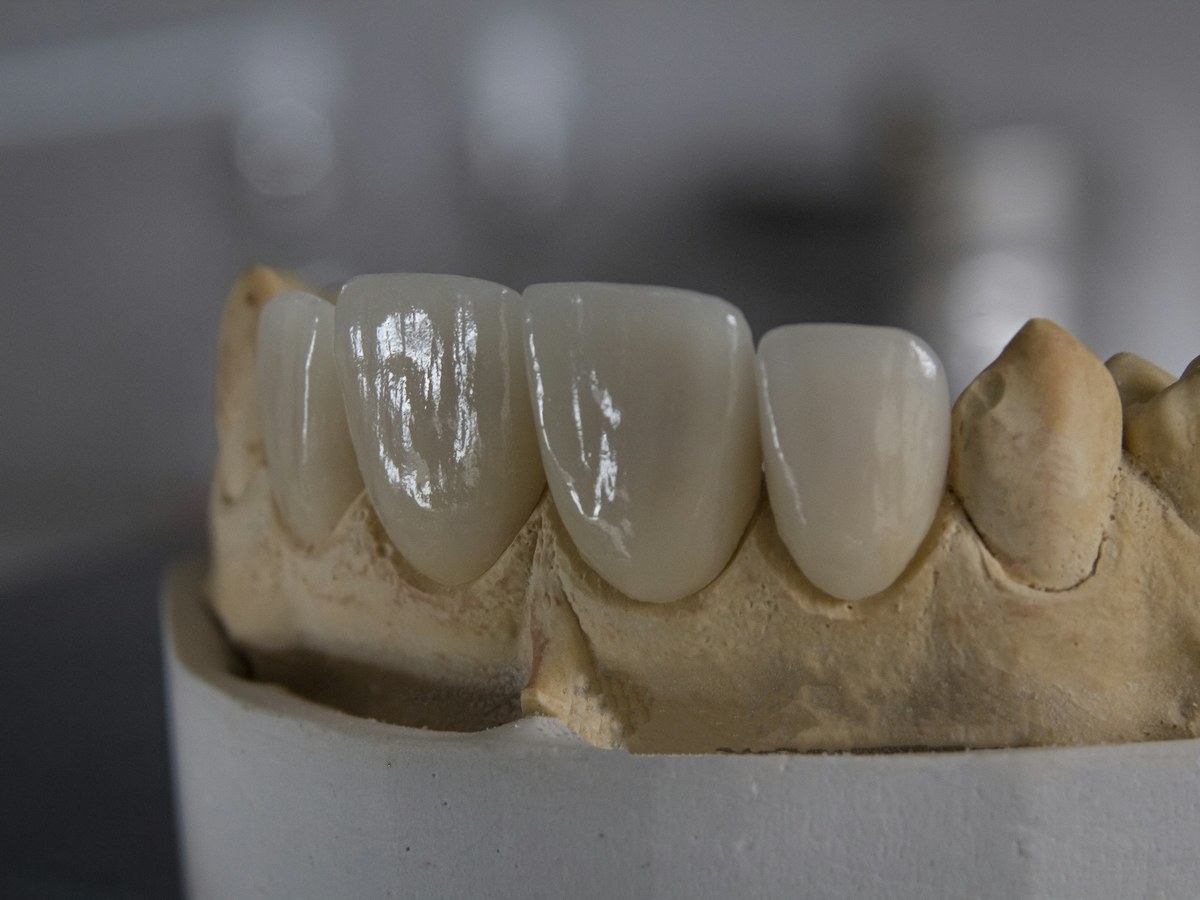
A veneer is a thin shell, most commonly porcelain or sometimes composite, bonded to the front surface of a tooth. To make room for that shell and create a natural profile, a dentist often removes a small amount of enamel. Once enamel is removed, the tooth does not grow it back. That is the part that makes veneers a permanent decision for many patients. The tooth will continue to need some form of coverage or restoration moving forward.
At the same time, the veneer itself is not permanent in the lifetime sense. Porcelain veneers often last around 10 to 15 years, sometimes longer with good care and favorable bite conditions. Composite veneers generally have a shorter lifespan, often closer to 5 to 7 years, though this varies quite a bit based on habits, material quality, and maintenance. Some patients keep porcelain veneers looking excellent for well over a decade. Others need repairs or replacements sooner because they grind their teeth, bite ice, chew pens, or have unstable bite forces.
So if you want the clearest possible answer, veneers are permanent as a treatment path, but not permanent as a one-time appliance.
Why enamel removal changes the equation
This is the detail people deserve to understand before they commit.
Traditional veneers require preparation. That preparation may be modest, often fractions of a millimeter, but it still matters. Enamel is the strongest outer covering of the tooth. Once a dentist reduces it, the tooth is no longer in its untouched natural state. If the veneer comes off or fails later, the tooth usually cannot simply be left bare and ignored. It may be sensitive, look uneven, or lack the ideal contour and protection it had before treatment.
That does not mean every veneer case is aggressive or extensive. Conservative cosmetic dentistry has improved significantly. In some situations, a patient may qualify for minimal-prep or even no-prep veneers. These cases are more selective than marketing sometimes suggests. If teeth are naturally small, set back, or have spaces that need to be closed, there may be enough room to add a veneer without making the teeth bulky. But if teeth already project outward, adding material without reduction can create an overbuilt result that looks unnatural and can irritate the lips or alter speech.
This is why “no-prep” should be seen as a case type, not a universal promise.
Permanent does not mean trouble-free
A common misconception is that veneers solve aesthetic problems once and for all, with no ongoing thought required. In practice, veneers are a commitment to maintenance.
They can chip. Cement can fail. Margins can stain. Gum tissue can recede over time, especially if a patient brushes too aggressively or has a naturally thin gum type. If recession exposes the edge of the veneer or the underlying tooth, the cosmetic blend can change. The veneer may still be structurally fine, but the smile may no longer look seamless.
I have seen patients who cared beautifully for their veneers and still needed replacement after many years because life happened. Bites shift. Restorations on neighboring teeth change. One patient had a set of veneers that looked excellent for over a decade, then developed edge wear because nighttime grinding intensified during a stressful stretch of work. The veneers were not badly made. The oral environment changed.
That is a useful way to think about veneers in general. Their lifespan depends not only on the quality of the porcelain and the skill of the dentist, but also on the biology and habits of the person wearing them.
How long veneers usually last
There is no single expiration date printed on a veneer, but real-world expectations are fairly consistent.
Porcelain veneers tend to offer the best combination of strength, stain resistance, and lifelike translucency. In a healthy mouth with a stable bite, many porcelain veneers perform well for 10 to 15 years, and some last longer. Composite veneers are usually less expensive upfront and can often be completed more quickly, but they stain more readily and tend to wear or chip sooner.
The following factors often determine whether veneers land at the short end or long end of their expected lifespan:
- the amount of grinding or clenching a patient does
- whether the bite places excessive force on the front teeth
- oral hygiene and gum health
- the quality of case planning and bonding
- habits such as nail biting, ice chewing, or opening packages with teeth
A patient with a calm bite, excellent brushing and flossing habits, and a custom night guard may get many more years from veneers than someone who treats their front teeth like tools.
The role of materials and craftsmanship
Two veneer cases can look similar on day one and age very differently.
Material selection matters. High-quality porcelain tends to hold color better and mimic natural enamel more convincingly than most direct composite options. Bonding protocols matter too. Veneers rely on a precise adhesive process. Moisture control, enamel preservation, margin design, and laboratory communication all affect long-term success.
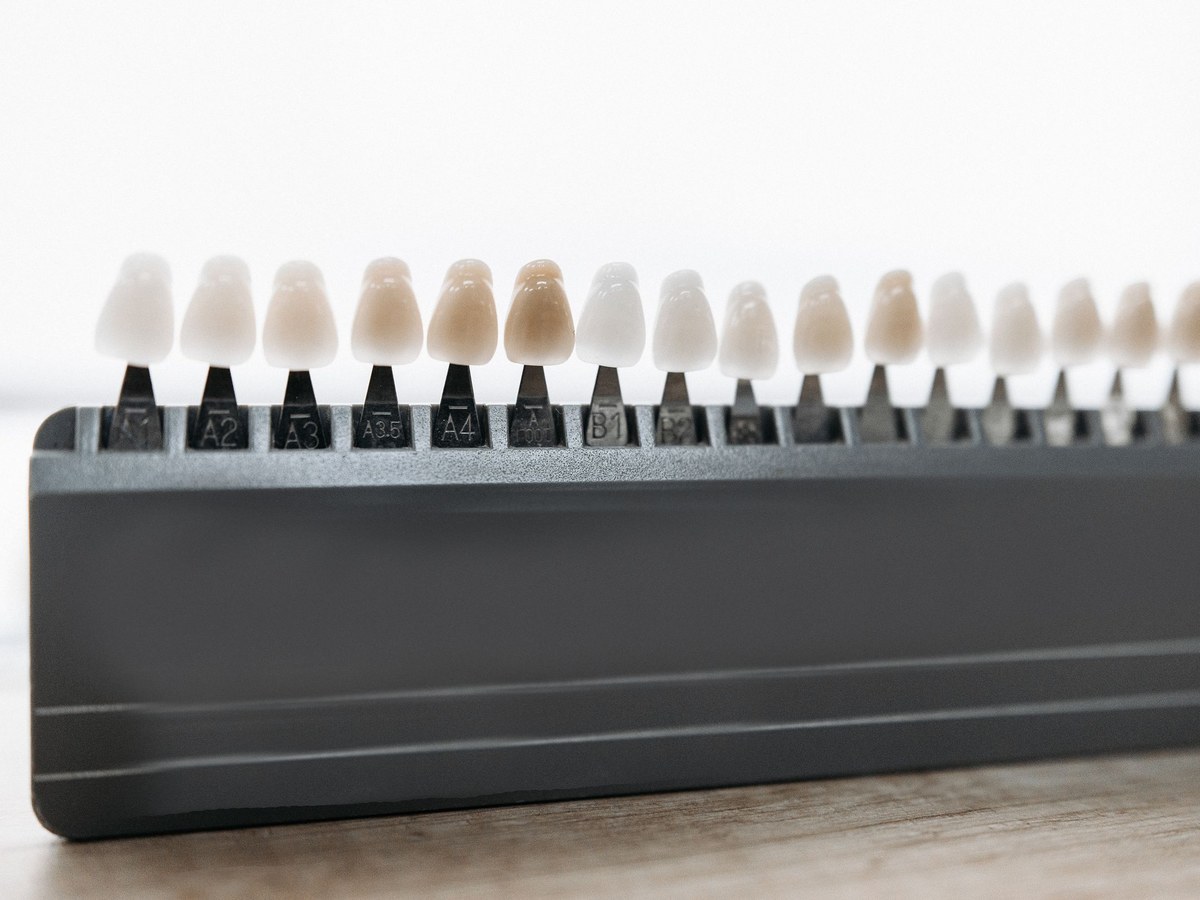
Craftsmanship also influences whether veneers merely look white or actually look believable. The best veneer work is often difficult to detect. The shape suits the face. The surface texture catches light naturally. The edges do not look flat and blocky. The gums remain calm and healthy around the restoration. Patients often come in asking for “perfect” teeth, but what they usually respond to most warmly is harmony, not uniformity.
That is particularly relevant when discussing Veneers Oxnard CA, because cosmetic patients in coastal communities often want a polished smile without an obvious, overdone appearance. They want brightness, symmetry, and refinement, but they also want their smile to fit their face, skin tone, and age. That takes restraint as much as technical skill.
Are veneers reversible?
Sometimes, but often not fully.
This answer frustrates people because cosmetic marketing has made reversibility sound more common than it is. If a true no-prep veneer was placed with no enamel reduction, there may be a path to removal with less long-term consequence. Even then, it depends on the exact bonding method, the contour of the tooth, and whether the patient is satisfied with the tooth underneath.
For conventional veneers, reversibility is limited because enamel was intentionally removed to make room for the restoration. If the veneer is later removed, the tooth usually still needs another veneer or a different restoration. That is why many dentists describe veneers as irreversible or only partially reversible.
Patients should not hear that as a warning siren. Many excellent dental treatments are irreversible because they alter a tooth to improve function, health, or appearance. A crown is irreversible. Most fillings are irreversible. The key issue is not whether the treatment changes the tooth forever. The key issue is whether that change is justified, conservative, and well planned.
When veneers are a strong choice
Veneers can be one of the most elegant tools in cosmetic dentistry when the problem is primarily visible on the front surface of the teeth. They work especially well when a patient has stubborn discoloration that whitening cannot fix, front teeth that are worn or chipped, minor gaps, or shape discrepancies that make the smile look uneven.
They can also be a good solution for patients who have healthy teeth overall but feel self-conscious every time they smile in photos or speak face to face. That emotional piece should not be dismissed. Cosmetic concerns are not trivial when they affect confidence, social ease, or professional presence.
Still, a good candidate is not just someone who wants a nicer smile. A good candidate also has a mouth that can support veneers. Healthy gums, manageable bite forces, realistic expectations, and willingness to maintain the work all matter.
When veneers may not be the best first step
Not every cosmetic concern should be solved with veneers.
If the main issue is simple staining, professional whitening may be enough. If one small corner is chipped, cosmetic bonding may preserve more enamel. If the teeth are crowded or misaligned, orthodontics may create a better foundation before any cosmetic restoration is considered. If grinding is severe and uncontrolled, placing veneers before addressing that habit can set the patient up for early failure.
I have seen cases where patients came in convinced veneers were the answer, only to benefit more from a much simpler plan. One patient wanted eight upper veneers because her front teeth looked uneven. The actual problem was that years of minor shifting had rotated two incisors and narrowed the smile line. A short course of aligners, followed by whitening and very limited bonding, gave her the result she wanted while preserving far more natural tooth structure.
That does not make veneers a bad option. It simply shows why diagnosis matters more than trend.
The maintenance side most people underestimate
Once veneers are in place, daily care becomes part of the investment. They do not decay the way natural enamel does, but the teeth underneath and around them still can. The margins where veneer meets tooth require meticulous hygiene. Plaque around those edges can irritate the gums, create inflammation, and compromise the appearance of the work.
Maintenance is usually straightforward but non-negotiable. Gentle brushing, daily flossing, regular professional cleanings, and periodic exams help catch issues early. Patients who clench or grind are often advised to wear a night guard. That simple appliance can make a meaningful difference in longevity.
Food restrictions are not usually severe, but common sense helps. Biting directly into very hard foods with veneered front teeth is riskier than cutting those foods into smaller pieces. Chewing ice is an especially bad habit for natural teeth and veneers alike. So is tearing open packaging or holding items between the teeth.
The better patients understand this upfront, the happier they tend to be later. Veneers are not high maintenance in the exhausting sense, but they are also not passive.
Cost, replacement, and the long view
The question of permanence is tied closely to cost, even when patients do not ask it directly. A veneer may last many years, but replacement should be part of the financial picture from the start.
A well-done cosmetic case can be worth every dollar to the right patient, especially when it meaningfully changes confidence and appearance. But people should go in with a long view. The future may include replacing one veneer, redoing a full set, or updating adjacent dental work to keep everything blending naturally.
This is one reason a careful dentist will not push veneers where a more conservative treatment would accomplish the same goal. The initial cosmetic result is only one chapter. The patient will live with the downstream consequences, costs, and maintenance needs for years.
For patients researching Veneers Oxnard CA, it is wise to think beyond before-and-after photos. Ask how the dentist approaches long-term planning. Ask how often they recommend night guards. Ask what happens if one veneer chips while the others remain intact. Ask whether they preserve enamel whenever possible. Those questions tell you far more than a gallery alone.
What to ask before saying yes
A consultation should leave you clearer, not just more excited. If the conversation stays vague, that is a problem. Good cosmetic dentistry depends on details.
A useful discussion usually covers how much tooth reduction is expected, whether your bite is stable enough for veneers, what material is being recommended, and how the final shape and color will be chosen. It should also cover alternatives. If a dentist never mentions whitening, bonding, orthodontics, or doing nothing at all, that is worth noticing.
These are the questions that tend to matter most:
- How much enamel will need to be removed in my case?
- Am I a candidate for minimal-prep or no-prep veneers, or would that look bulky?
- How long do you expect these veneers to last given my bite and habits?
- What maintenance or protective appliances will I need afterward?
- Are there more conservative options that could achieve a similar result?
That kind of conversation protects patients from regret more effectively than any marketing promise.
The aesthetic payoff can be real, but so is the responsibility
When veneers are done thoughtfully, the result can be extraordinary in a quiet, believable way. Teeth look brighter, proportions improve, worn edges reappear, and the whole smile often looks more rested and balanced. For patients who have spent years covering their mouth when they laugh, that change can feel deeply personal.
But veneers are not a cosmetic shortcut without trade-offs. They are a permanent decision in the sense that they usually commit you to Veneers Oxnard CA ongoing Veneers Oxnard CA restorative care for those teeth. They are not permanent in the sense of lasting forever untouched. They live in the real conditions of a real mouth, with saliva, bite pressure, aging gums, coffee, habits, and time all playing a role.
That is why the best veneer cases begin with restraint and honesty. If a dentist tells you veneers are forever and maintenance-free, that is too simplistic. If someone tells you veneers always ruin natural teeth, that is too simplistic too. The truth sits in the middle. Veneers can be a durable, beautiful, and highly satisfying solution when used for the right reasons, on the right patient, with careful planning and conservative technique.
So, are veneers permanent? In practical terms, yes, the decision usually is. The restorations themselves are not immortal, but the treatment path often changes the teeth in a lasting way. For many patients, that is still an easy yes, because the improvement in appearance, confidence, and smile harmony is substantial. The key is knowing exactly what kind of permanence you are signing up for.
Oxnard Dentistry
1730 E Gonzales Rd, Oxnard, CA 93036, United States
+1 805-307-8731
FAQ About Veneers Oxnard CA
How long do porcelain veneers last?
Porcelain veneers can last for many years, but they can chip, loosen, or wear over time. Their lifespan depends on factors such as your bite, whether you grind your teeth, and daily care. Regular dental visits let your dentist check their condition.
Are dental veneers permanent?
Traditional veneers often require removing a small amount of enamel, so that change to the tooth is generally irreversible. Veneers can still need repair or replacement. Ask your dentist how much preparation your teeth would require.
How much do veneers cost in Oxnard?
Cost depends on the material, how many teeth you want treated, and whether you need other dental work first. Ask for a written estimate that explains the price per tooth and what is included.