How to Extend the Life of Veneers Oxnard CA
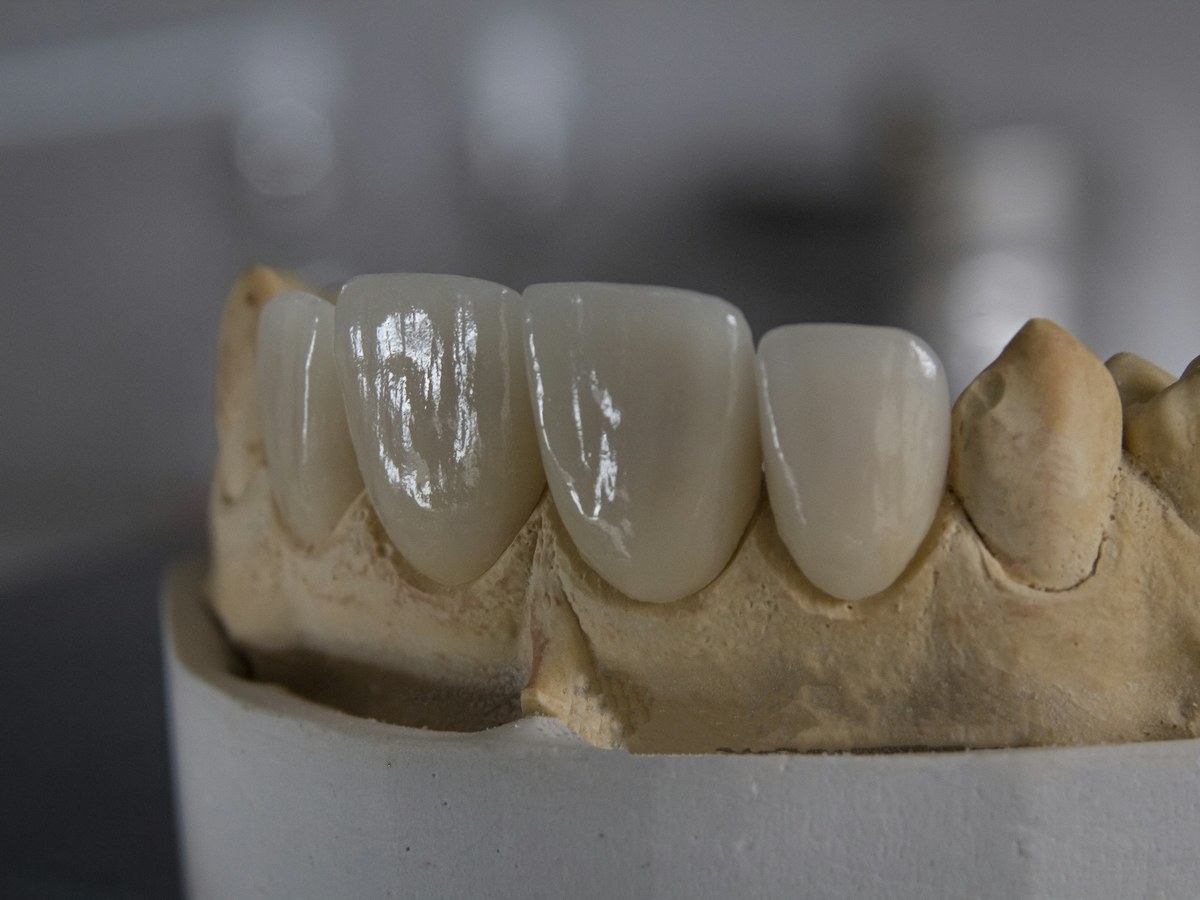
Porcelain veneers can transform a smile quickly, but they are not a set-it-and-forget-it investment. People often hear that veneers last 10 to 15 years, sometimes longer, and stop there. The real story is more practical. Veneers last when the teeth underneath stay healthy, when the bite is stable, and when daily habits support the work instead of quietly wearing it down.
That matters in a place like Oxnard, where active lifestyles, coffee on the go, beach days, sports, and even dry-mouth issues from certain medications or dehydration can all affect dental work in small but cumulative ways. If you have been researching Veneers Oxnard CA, or you already have them, the goal is not just keeping them white. The goal is preserving the bond, protecting the edges, and avoiding the kinds of problems that shorten their lifespan long before the porcelain itself fails.
A veneer is thin, but it is not fragile in the way people imagine. Good porcelain is strong. The weak points are usually the margins where veneer meets tooth, the adhesive interface, and the habits that create excess force. Most premature veneer failures are not dramatic accidents. They are the result of repeated stress, Veneers Oxnard CA neglected hygiene, untreated grinding, or small chips that went unchecked until they became bigger repairs.
What actually causes veneers to wear out early
The biggest mistake is assuming veneers fail only when they crack in half. In practice, dentists see a wider range of issues. A veneer can look mostly fine to the patient but still be at risk because the edge is leaking, the tooth behind it has decay, or the bite is landing too hard on one front corner every time the patient chews.
One common issue is grinding, especially at night. Many people clench in their sleep and do not realize it until they wake up with jaw tightness, temple headaches, or flattened natural teeth. Veneers on front teeth are especially vulnerable when lower teeth repeatedly collide with them under pressure. The porcelain may survive for years, but the bonding cement and the tiny edges can begin to fail.
Another problem is gum recession. Veneers cover the visible front surface of the tooth, not the root. If the gums recede, new tooth structure can become exposed near the margin. That does not necessarily mean the veneer is ruined, but it can affect aesthetics and create areas where plaque collects more easily. Once plaque sits around veneer margins, the risk shifts from cosmetic maintenance to dental disease.
Diet plays a role too, though not always in the obvious way. Porcelain itself resists staining better than natural enamel, but the bonding edges do not enjoy repeated acid exposure. Sipping lemon water all day, constant sports drinks, energy drinks, or frequent soda can soften exposed enamel and irritate the gumline. Over time, that can compromise the seal around the veneer or the surrounding teeth.
Then there is plain old misuse. Opening packets with front teeth, chewing ice, biting fingernails, cracking pistachio shells, or tearing tape can all chip an edge. People rarely do this once and immediately break a veneer. More often they get away with it for years, until the day they do not.
Daily care matters more than expensive products
Patients often ask whether they need special toothpaste, luxury whitening rinses, or niche veneer tools. Usually, no. Veneers last longest when the basics are done exceptionally well. A soft-bristled toothbrush, a non-abrasive toothpaste, careful flossing, and regular cleanings matter far more than trendy products.
Abrasive whitening pastes are a quiet problem. They will not whiten porcelain the way people hope, but they can scratch natural enamel, wear at exposed root surfaces, and roughen the polish on composite bonding if you have any around the veneers. If your smile design includes a mix of veneers and bonding, the wrong toothpaste can create uneven shine over time.
Flossing deserves more respect than it gets. Most veneer failures do not begin in the middle of the porcelain. They start around the edges, where plaque and inflammation sit. When gums stay healthy, veneer margins tend to stay cleaner and more stable. When gums are consistently inflamed, everything around the restoration becomes harder to maintain.
Patients sometimes avoid flossing because they are afraid they will pull a veneer off. That fear is understandable but misplaced if the veneer is sound. Proper flossing should not dislodge a well-bonded veneer. The key is to slide the floss through gently and lift it out carefully rather than snapping it down or yanking upward aggressively.
The habits that help the most
If I had to narrow veneer care down to a few habits that genuinely make a difference year after year, it would be these:
- Brush twice daily with a soft brush and low-abrasion toothpaste.
- Floss every day, especially around the veneer margins.
- Wear a night guard if you grind or clench.
- Keep recall visits and professional cleanings on schedule.
- Avoid using front teeth as tools for opening, tearing, or cracking hard items.
None of that is flashy. It is also what protects the investment.
Why bite alignment can make or break veneer longevity
This is the part many patients never hear enough about. Veneers are not just cosmetic shells. They become part of a dynamic system. Every time you chew, talk, or slide your jaw, your teeth contact each other in patterns. If those patterns are off, the veneers may take force they were never meant to absorb.
A well-planned case spreads pressure intelligently. The front teeth guide certain movements, the back teeth handle heavier vertical force, and no single veneer takes repeated abuse on one corner. If your bite shifts after treatment, perhaps from grinding, old dental work wearing down, or changes in the jaw joint, that balance can change.
Sometimes the earliest sign is not a broken veneer. It is a small clicking feeling when you bite, a rough edge you can catch with your tongue, or a front tooth that suddenly feels like it hits first. Those are not details to ignore. A tiny bite adjustment done early can prevent a bigger fracture or debonding later.
This is one reason follow-up matters. People often think the job is finished once the veneers are cemented. In reality, the months after placement reveal how the bite behaves in real life. Good dentists expect this and monitor accordingly.
For patients looking into Veneers Oxnard CA, choosing a provider who pays close attention to bite analysis, not just tooth color and shape, is often the difference between a smile that stays stable for many years and one that needs frequent repair.
Night guards are not optional for grinders
If you clench or grind, a custom night guard is one of the smartest ways to extend veneer life. There is no elegant workaround here. Meditation may help reduce stress. Better sleep habits may reduce episodes. But once a person is grinding with enough force to wear enamel or strain the jaw, physical protection is usually necessary.
Store-bought guards can be better than nothing in some cases, but they often fit poorly, feel bulky, and may even alter how the jaw sits overnight. A custom guard is designed around your bite and restorations. That fit matters. The goal is not just cushioning. It is controlled protection.
People resist night guards for predictable reasons. They are one more thing to maintain. They can feel awkward for a week or two. They cost money. Then the same patients come back after chipping porcelain and wish they had started earlier. From a cost perspective, a guard is minor compared with replacing a veneer.
If your dentist has ever mentioned wear facets, masseter enlargement, cracked fillings, or recession linked to heavy occlusal forces, take the night guard advice seriously.
Food and drink, with a little realism
Most people do not want a list of banned foods after cosmetic dentistry, and they do not need one. Veneers should function in normal life. You can drink coffee. You can eat a sandwich. You can enjoy a steak if it is cut sensibly. The issue is pattern and force, not perfection.
Hard direct bites are riskier than chewing with the back teeth. Biting straight into very hard foods with the front veneers can create leverage at the edge. Think crusty baguettes, hard candy, whole apples if you attack them with the front teeth, and ice. You do not have to live fearfully, but small adjustments help. Slice the apple. Break off the crusty bread. Let ice stay in the cup instead of between the teeth.
Staining deserves a nuanced point. Porcelain resists stain well, but natural teeth around veneers can darken. So can bonding resin at the edges if present. If someone drinks multiple coffees a day and occasionally smokes, the veneers may still look bright while neighboring teeth and margins change. The result is not a damaged veneer, exactly, but a less seamless smile. Maintenance whitening of the natural teeth, when appropriate and supervised, can help preserve the overall blend.
Acid exposure may be more important than pigment. Frequent acidic beverages can inflame the gums and weaken enamel around veneer margins. It is often the sipping habit that causes trouble, not the occasional drink. Finishing an acidic beverage in a reasonable window and rinsing with water afterward is usually kinder to the Veneers Oxnard CA mouth than carrying it around for three hours.
Cleanings and checkups are doing more than polishing
Professional maintenance is not only about keeping veneers shiny. During routine visits, the dentist or hygienist checks for margin integrity, plaque retention near the gumline, tiny fractures, bite changes, gum recession, and signs of grinding. These are the details patients cannot easily monitor at home.
A skilled hygienist will also choose polishing methods carefully. Veneers do not need aggressive treatment. Heavy-handed scaling or inappropriate polishing pastes can create unnecessary wear on surrounding materials. Most offices that routinely maintain cosmetic cases know this well, but it is one more reason to keep care with a dentist familiar with restorative work.
How often should you go? For many healthy adults, every six months remains standard. Some veneer patients benefit from more frequent maintenance, especially if they have a history of gum inflammation, heavy plaque buildup, dry mouth, or grinding. Three to four visits a year is not unusual in higher-risk cases. That does not mean something is wrong. It means the goal is prevention.
Dry mouth is a hidden enemy
People rarely connect dry mouth to veneer longevity, but they should. Saliva buffers acids, helps control bacteria, and protects tooth structure. When the mouth is chronically dry, the natural teeth supporting veneers become more vulnerable to decay near the margins. The veneer itself cannot decay, but the tooth underneath certainly can.
Dry mouth can come from medications for blood pressure, anxiety, depression, allergies, or sleep issues. It can also show up in people who breathe through their mouth at night or spend long stretches dehydrated outdoors. Oxnard's climate and active routines can make hydration easy to overlook.
If your mouth feels sticky, if you wake up dry, or if you get frequent cavities despite decent home care, mention it. Management may include more water, sugar-free xylitol products, prescription-strength fluoride, saliva substitutes, or changes to daily habits. Addressing dryness early can add years to restorations.
Small chips, rough spots, and warning signs
A veneer rarely goes from perfect to catastrophic without sending smaller signals first. Patients who do best long-term are the ones who respond early instead of waiting until a minor annoyance becomes a failure.
Watch for these signs and book an exam if they appear:
- A new rough edge that catches your tongue or floss.
- Increased sensitivity near the gumline of a veneered tooth.
- A tooth that suddenly feels like it hits first when you bite.
- Gum redness or bleeding around one veneer more than the others.
- A visible line, chip, or change in fit near the margin.
Sometimes the fix is simple, such as polishing a tiny rough area or adjusting the bite. Sometimes the veneer needs repair or replacement. Either way, early intervention usually preserves more options.
If a veneer comes loose, what to do next
Debonding is not common in a well-executed case, but it happens. Trauma, grinding, decay, or old adhesive can all contribute. If a veneer comes off intact, do not try to glue it back yourself. Keep it clean, store it safely, and call the dental office promptly. Household adhesives are not a solution. They can damage the restoration and complicate proper rebonding.
If the underlying tooth feels sharp or sensitive, avoid very hot, cold, or sugary foods until it is evaluated. In some cases the veneer can be rebonded. In others, especially if fit or integrity has changed, replacement is wiser.
The same advice applies to chips. A small chip on the edge may be smoothable or repairable, depending on location and size. A larger fracture often needs replacement. The key is that patients tend to underestimate damage when the smile still looks mostly normal in photos. Function and fit matter as much as visible appearance.
The dentist you choose affects how long veneers last
Longevity starts before the veneers are ever placed. Case selection matters. Tooth preparation matters. Material choice matters. The quality of bonding matters. The bite design matters. So does communication about habits and maintenance.
The best cosmetic results are not always the most aggressively white or dramatic. Often they are the ones built conservatively on healthy teeth, with margins placed thoughtfully and shapes designed to work with the patient's actual bite. A beautiful smile that ignores function may photograph well and age poorly.
For anyone comparing options for Veneers Oxnard CA, ask questions that go beyond shade guides and smile previews. Ask how the office evaluates grinding. Ask what kind of follow-up is typical. Ask how they handle bite adjustments after placement. Ask what maintenance they recommend for mixed cases that include veneers, bonding, or crowns. Those answers reveal a lot about whether the practice thinks long-term.
Veneers and gum health are tied together
One subtle but important point is that veneers do not replace the need for healthy gums. They depend on them. Swollen tissue can make margins harder to clean and can distort how the smile looks. Receding tissue can expose transition lines or root surfaces. Bleeding on flossing is not a cosmetic nuisance. It is a signal.
The patients whose veneers still look excellent after a decade are often not the ones with perfect genetics. They are the ones who took gum care seriously. They brushed gently instead of scrubbing, kept plaque under control, stayed consistent with maintenance, and addressed recession or inflammation before it progressed.
If you have veneers and your gums bleed regularly, that is worth attention. It may be technique. It may be build-up. It may be dry mouth. It may be an overhanging edge or a contour issue trapping plaque. The cause matters less than the principle, which is that healthy tissue supports longer-lasting cosmetic work.
When replacement is normal, not a failure
Even excellent veneers do not last forever. Porcelain can endure for many years, but mouths change. Gum levels shift. Bonds age. Adjacent teeth get dental work. Color preferences change. Sometimes replacement is simply part of responsible long-term care, not proof that something went wrong.
Patients can become discouraged when they hear that a veneer may eventually need to be replaced. A better way to think about it is similar to other high-value restorations. The goal is not permanent immunity from future dental work. The goal is excellent appearance and function for as long as reasonably possible, with thoughtful maintenance along the way.
If you get 12 to 15 years out of veneers while preserving the health of the underlying teeth, that is a strong outcome. Many cases go longer, especially with good home care and a stable bite. Cases that fail early usually leave clues, and most of those clues are manageable when caught in time.
The practical standard to aim for
People often want one magic rule that guarantees longevity. There is not one. There is a pattern, though. Veneers last when patients treat them as part of a healthy mouth, not as decorative covers that eliminate the need for care.
That means brushing and flossing with intention, not mechanically. It means protecting against grinding before damage appears. It means respecting front teeth instead of using them as tools. It means keeping appointments even when everything seems fine. It means paying attention when a tooth feels different, however subtle the change.
If you already have veneers, these habits can extend their life significantly. If you are considering Veneers Oxnard CA, they can help you choose treatment with a realistic understanding of what keeps results looking natural and functioning well over time. The work itself matters, of course. The years after placement matter just as much.
Oxnard Dentistry
1730 E Gonzales Rd, Oxnard, CA 93036, United States
+1 805-307-8731
FAQ About Veneers Oxnard CA
How long do porcelain veneers last?
Porcelain veneers can last for many years, but they can chip, loosen, or wear over time. Their lifespan depends on factors such as your bite, whether you grind your teeth, and daily care. Regular dental visits let your dentist check their condition.
Are dental veneers permanent?
Traditional veneers often require removing a small amount of enamel, so that change to the tooth is generally irreversible. Veneers can still need repair or replacement. Ask your dentist how much preparation your teeth would require.
How much do veneers cost in Oxnard?
Cost depends on the material, how many teeth you want treated, and whether you need other dental work first. Ask for a written estimate that explains the price per tooth and what is included.